
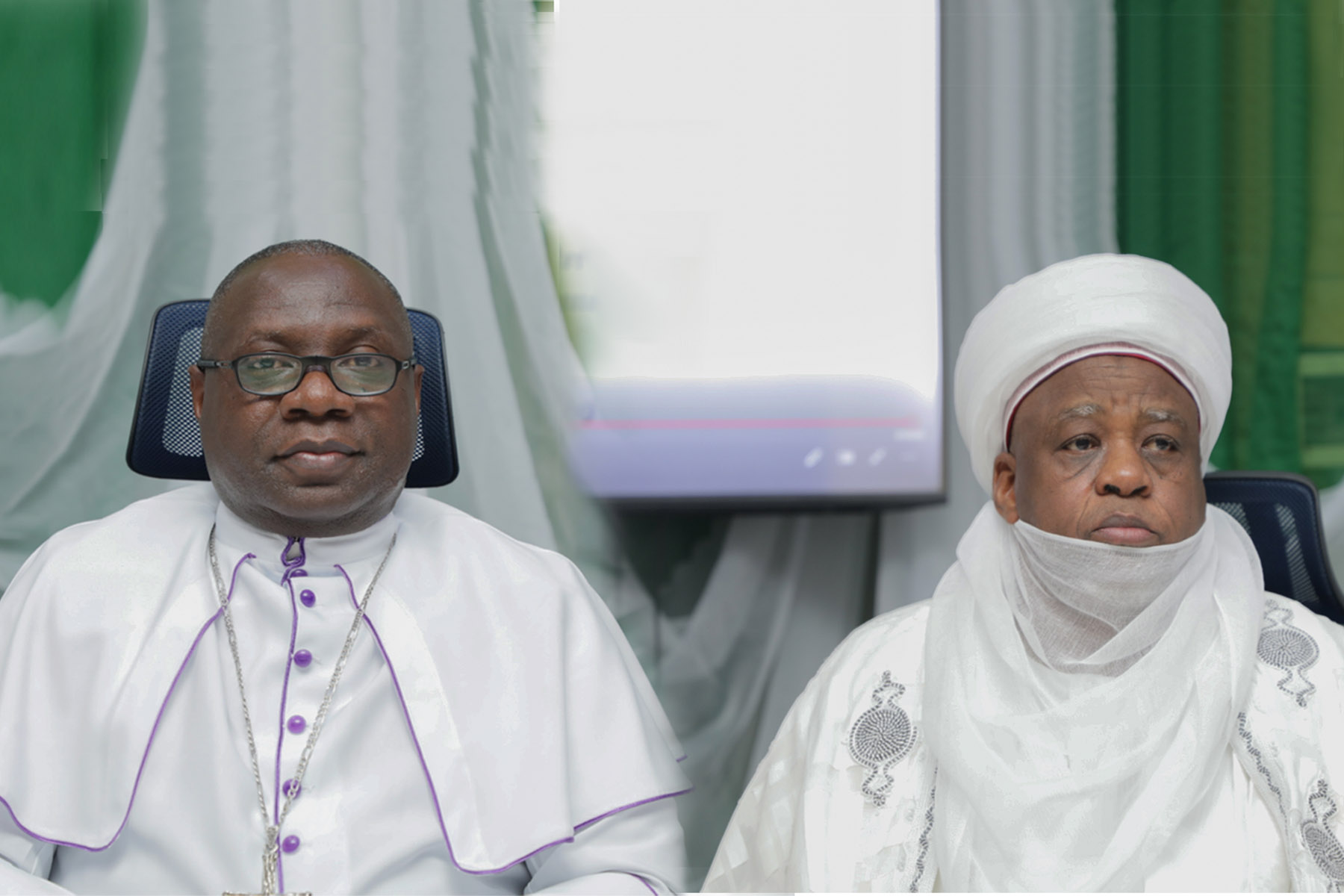
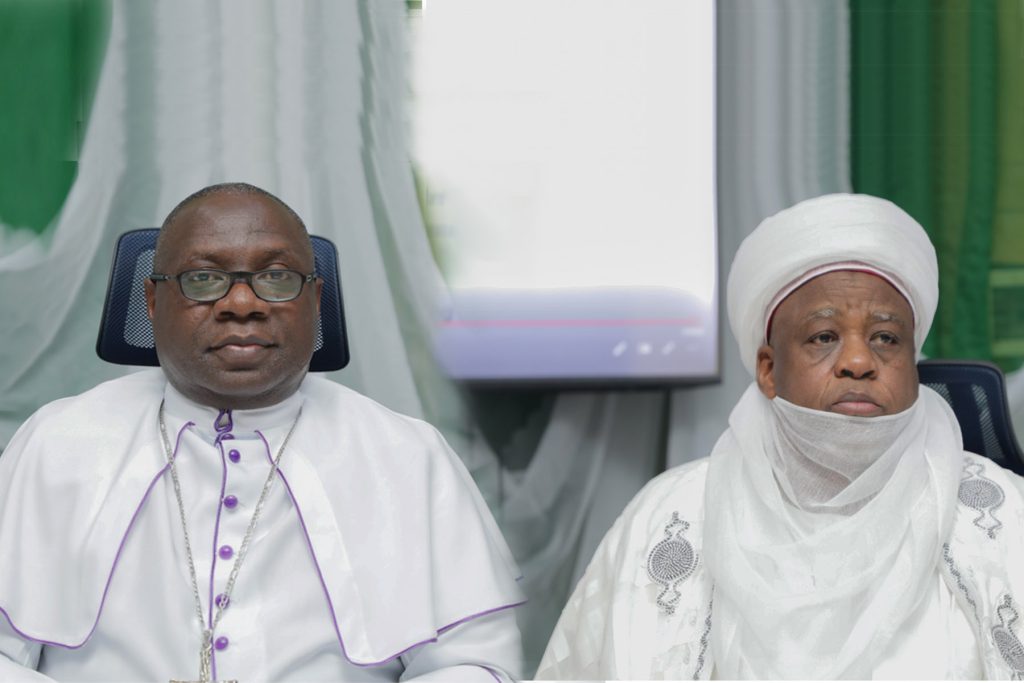
GOODWILL MESSAGE BY THE PRESIDENT OF THE CHRISTIAN ASSOCIATION OF NIGERIA (CAN), HIS EMINENCE, ARCHBISHOP (DR.) DANIEL C. OKOH, AT THE NIGERIA INTER-RELIGIOUS COUNCIL (NIREC) MEETING ON WEDNESDAY, 23RD SEPTEMBER 2026 AT BARCELONA HOTEL, WUSE 2, ABUJA. THEME: “SHARED SACRED FLOURISHING IN NIGERIA”
Protocol
It is my pleasure and privilege to bring warm greetings and goodwill from the Christian Association of Nigeria to this important gathering of the Nigeria Inter-Religious Council. I appreciate everyone for making time to attend this meeting. I particularly acknowledge the presence and commitment of His Excellency, Distinguished Senator George Akume, Secretary to the Government of the Federation, whose support for NIREC and its vision of peaceful coexistence among Nigeria’s diverse faith communities is commendable. May God continue to grant you wisdom and strength in the service of our nation.
I deeply appreciate the leadership of NIREC for choosing the theme, “Shared Sacred Flourishing in Nigeria.” It is both timely and profound because it takes our interfaith conversation beyond merely managing religious differences to asking a more fundamental question: How can people of different faiths contribute together to the flourishing of the society we share?
The idea of Shared Sacred Flourishing does not suggest that Christians and Muslims must abandon, blend or compromise their distinctive beliefs. Rather, it recognizes that each faith tradition has its own understanding of the Sacred and its own vision of human and societal flourishing. What we can share is a commitment to allowing the values that flow from our respective encounters with the Sacred—love, compassion, mercy, justice, forgiveness, service and concern for others—to contribute to the common good.
In this sense, shared flourishing is relational. None of us truly flourishes in isolation. Our wellbeing is connected to the wellbeing of our neighbour, our community and our nation. We flourish when the dignity of others is protected, when the vulnerable are cared for, when justice is upheld, when communities live in peace and when institutions serve the common good. This understanding of flourishing is consistent with the call for religious communities to move from dialogue to practical cooperation for the wellbeing of society.
This is particularly important for Nigeria at this time. Our nation continues to face insecurity, poverty, unemployment, inequality, communal tensions and a crisis of trust. These challenges are too great to be approached from isolated religious or sectional perspectives. They require us to rediscover our shared humanity and our shared responsibility for Nigeria.
As religious leaders, therefore, we must ask ourselves: What kind of Nigeria are we helping to create through our words, our actions and our influence?
Our churches, mosques and religious institutions possess enormous moral and social influence. We can use that influence to build bridges rather than walls, promote reconciliation rather than suspicion, and encourage our followers to pursue the common good rather than narrow sectional interests.
Shared Sacred Flourishing must therefore find expression in practical action. Christians and Muslims can work together in peacebuilding, education, youth development, humanitarian assistance, poverty reduction, ethical leadership, environmental responsibility and the protection of vulnerable people. The goal is not simply to talk about peace, but to become partners in building a society in which every person has the opportunity to live with dignity and hope.
A flourishing Nigeria cannot be measured only by economic growth, infrastructure or material prosperity. It must also be measured by the security of our people, the dignity accorded to every citizen, the opportunities available to our young people, the protection of the vulnerable, respect for freedom of religion, justice and the strength of our institutions.
Above all, we must affirm the sacredness of human life. The suffering of a Christian should concern a Muslim, just as the suffering of a Muslim should concern a Christian. When any Nigerian is killed, displaced, kidnapped or deprived of dignity, our common humanity demands that we care.
As Christians, we are reminded of the biblical injunction: “Seek the peace of the city… for in the peace thereof shall ye have peace” (Jeremiah 29:7). This reminds us that our own wellbeing is inseparably connected to the wellbeing of the society in which God has placed us.
As we deliberate on this important theme, may NIREC continue to provide a platform where our differences are respected, our shared values are strengthened and our common responsibilities are translated into action.
Let us work together towards a Nigeria where Christians and Muslims do not merely tolerate one another, but cooperate for the common good; where religious diversity becomes a source of strength rather than division; and where every Nigerian can experience peace, dignity, justice and the opportunity to flourish.
The Christian Association of Nigeria remains committed to constructive engagement with NIREC and with our Muslim brothers and sisters. We believe that our shared commitment to peace, human dignity, justice and national development provides a strong foundation for a more peaceful and prosperous Nigeria.
Thank you, and God bless you all.
Leave a Reply